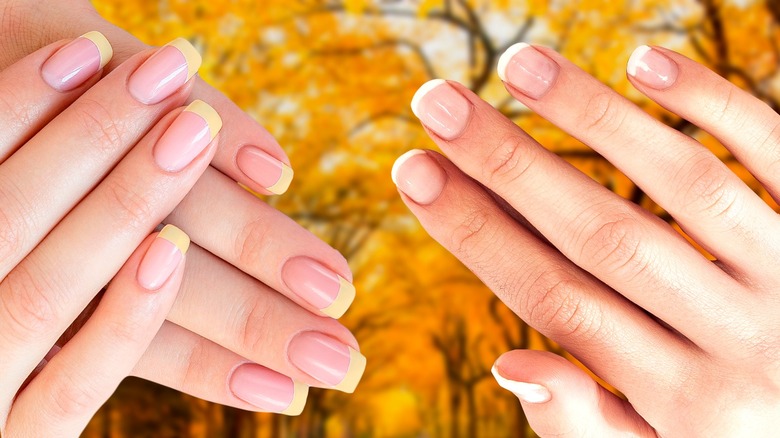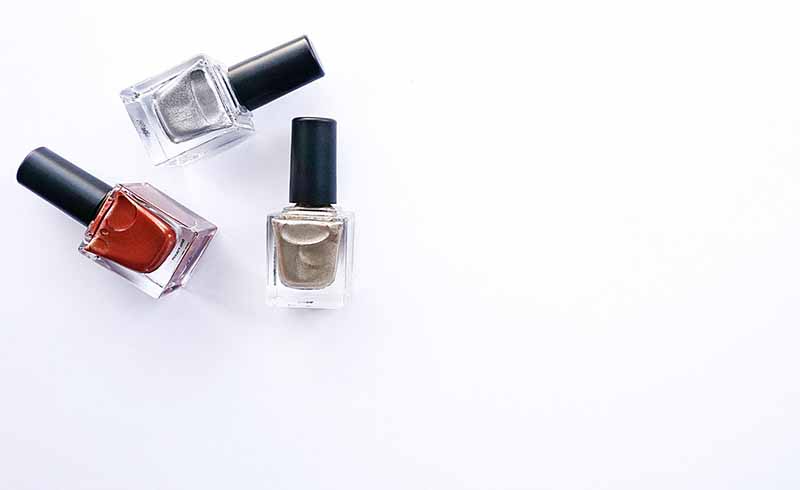
Nail polish is one of the most widely used cosmetics in the world, yet many people never think about what is inside the bottle. A beautiful manicure can be fun and expressive, but it is reasonable to ask whether the product is safe, how it affects your nails, and how to choose a formula that causes the least harm. The short answer is that most conventional nail polishes are safe when used correctly, but the ingredients, application habits, and removal methods all matter.
What Is in Nail Polish?
Nail polish is a mixture of several types of ingredients, each with a specific job.
Film formers are the backbone of the polish. The most common is nitrocellulose, which creates a hard, glossy film on the nail. It is what makes polish dry and adhere.
Solvents keep the polish liquid in the bottle and evaporate when exposed to air. Common solvents include ethyl acetate and butyl acetate. They are responsible for the strong smell and the quick drying time.
Plasticizers add flexibility so the film does not become brittle and crack. Common plasticizers include camphor and various esters.
Resins improve adhesion and hardness, helping the polish stick to the nail and resist chipping.
Pigments provide colour. Some pigments are mineral-based, while others are synthetic. Certain pigments, especially in dark shades, can stain the nail if a base coat is not used.
Additives include UV stabilizers, thickening agents, and sometimes strengthening ingredients such as calcium or keratin.
Historically, some polishes contained ingredients such as toluene, formaldehyde, and dibutyl phthalate (DBP). These have raised health concerns. Many modern brands now offer “3-free,” “5-free,” or “10-free” formulas that exclude some or all of these ingredients. The labels are not standardized, so it is worth reading the ingredient list rather than relying on the front of the bottle.
Is Nail Polish Harmful to Health?
For most people, conventional nail polish is not dangerous when used as intended. The main risks are minor and manageable.
The strongest smell comes from solvents. In a small, unventilated room, the fumes can cause headaches or nausea. People with asthma or sensitivity to chemicals may react more strongly. Using polish in a well-ventilated space reduces this risk.
Some people develop allergic contact dermatitis from certain ingredients, especially in gel and acrylic systems that contain acrylates. Regular nail polish can also cause irritation in sensitive individuals. Symptoms include redness, itching, swelling, and peeling around the nails. If this happens, stop using the product and consult a doctor.
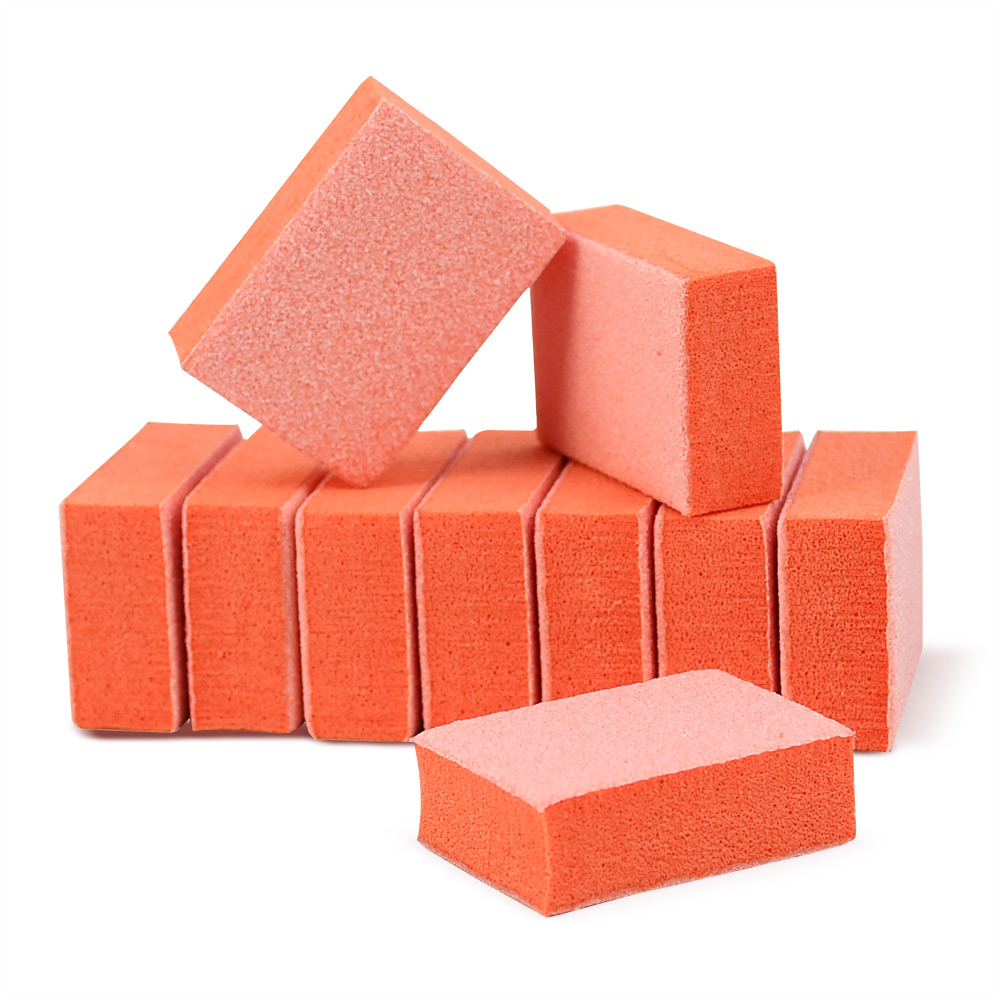
Nail damage is usually caused by habits rather than the polish itself. Peeling off polish, scraping the nail, over-buffing, and frequent acetone soaks can thin the nail plate and make it weak. Using a base coat and removing polish gently prevents most problems.
Concerns about endocrine-disrupting chemicals such as toluene and DBP have led many brands to remove them. The risk from occasional use of conventional polish is generally considered low, but pregnant women, children, and people with chemical sensitivities may prefer to choose “free” formulas or water-based polishes.
How to Apply Nail Polish to Reduce Damage?
Good application habits protect both your nails and your health.
Work in a ventilated space. Open a window or use a fan. Avoid applying polish in a small, closed bathroom.
Always use a base coat. It creates a barrier between the pigment and the nail, preventing staining and improving adhesion.
Apply thin layers. Two or three thin coats are better than one thick coat. Thin layers dry faster, look smoother, and chip less.
Keep polish off the skin. Product on the cuticle or sidewalls can cause irritation and lifting. Clean up with a small brush dipped in remover.
Do not bite or pick at polish. Biting exposes you to the polish ingredients and can damage the nail bed.
Remove polish gently. Use a non-acetone remover for regular polish when possible. Soak a cotton pad, press it on the nail for a few seconds, and wipe in one direction. Do not scrub.
Moisturize after removal. Apply cuticle oil and hand cream to restore moisture.
Give your nails breaks. A few days of bare, oiled nails between manicures allows the nail plate to recover.
How to Judge Whether a Nail Polish Is Safe?
There is no single “safe” stamp for all nail polish, but you can reduce risk by looking at a few factors.
Read the ingredient list. Avoid products that contain ingredients you know you are sensitive to. If a brand does not list ingredients, be cautious.
Choose reputable brands. Established brands are more likely to follow safety regulations and use consistent formulas. Counterfeit or unregulated products may contain higher levels of restricted ingredients.
Look for “free” claims, but verify. “3-free,” “5-free,” and “10-free” are useful guides, but they are not standardized. Check what is actually excluded.
Avoid very strong, harsh smells. A mild scent is normal. An overpowering chemical smell may indicate high solvent content or poor ventilation needs.
Check consistency and packaging. Polish should be smooth, not separated or clumpy. A tightly sealed bottle prevents evaporation and contamination.
Do a patch test. If you have sensitive skin, apply a small amount to one nail or a small area of skin and wait 24 hours.
What Is the Healthiest Nail Polish?
The healthiest option is not a single product. It is a combination of a gentle formula and good habits.
Water-based polishes are often the least irritating. They use water instead of harsh solvents and are usually free of strong odours. They are a good choice for children, pregnant women, and people with sensitive skin. They may not last as long as conventional polish, but they are gentler.
“Free” formulas that exclude toluene, formaldehyde, DBP, and other common irritants are widely available. Many reputable brands offer 5-free or 10-free lines. These are a sensible choice for regular use.
Breathable or nail-friendly polishes are formulated to allow moisture to pass through the film. They can be helpful for people whose nails feel dry or weak after polishing.
Minimalist formulas with fewer ingredients are often better for sensitive users. The fewer potential irritants, the lower the risk of reaction.
How to Choose the Least Harmful Nail Polish?
When you are shopping, keep these principles in mind.
Choose a water-based or “free” formula when possible. Avoid products with a very strong chemical smell. Buy from reputable retailers to reduce the risk of counterfeit products. Check the ingredient list and avoid known allergens. Do not choose polish based on price alone; very cheap products may use lower-quality ingredients. Use a base coat, apply in a ventilated area, and remove gently. And remember that how you use the product matters as much as what is in the bottle.
Final Thoughts
Nail polish is generally safe for most people when used with care. The main risks come from strong fumes, skin sensitivity, and damaging removal habits. By choosing a reputable formula, applying it in a ventilated space, using a base coat, and removing it gently, you can enjoy beautiful nails while minimizing exposure. If you have sensitive skin, asthma, or are pregnant, a water-based or “free” formula is a smart choice. The healthiest manicure is not just about the polish—it is about how you treat your nails before, during, and after application.
Read also: American Gel-X Nails: A Modern Alternative to Traditional Extensions